







Search Results for: Xun County Fuxinyuan Beverage Factory

Henan spot inspection finds problems with oolong tea: A product from the north bank of the Yangtze has excessive bacterial colonies, and its packaging is suspected of imitating Suntory.
The Henan Provincial Market Supervision Administration recently published its 2024 No. 39 food safety notice, showing that of 1,040 batches of food across 21 major categories sampled, a total of 24 batches failed. Among them, a "Yangtze River North Bank" oolong tea-flavored beverage, nominally produced by Xunxian Fuxinyuan Beverage Factory, was blacklisted because its total bacterial count did not meet national standards. An investigation found that the manufacturer not only had a prior record of product sampling failures, but was also ruled by a court to have infringed upon Nongfu Spring's packaging through counterfeiting, and has now been listed as a dishonest judgment debtor. More notably, the outer packaging of this oolong tea is highly similar to Suntory oolong tea, and many consumers who mistakenly bought it on e-commerce platforms complained loudly after being duped. [more…]
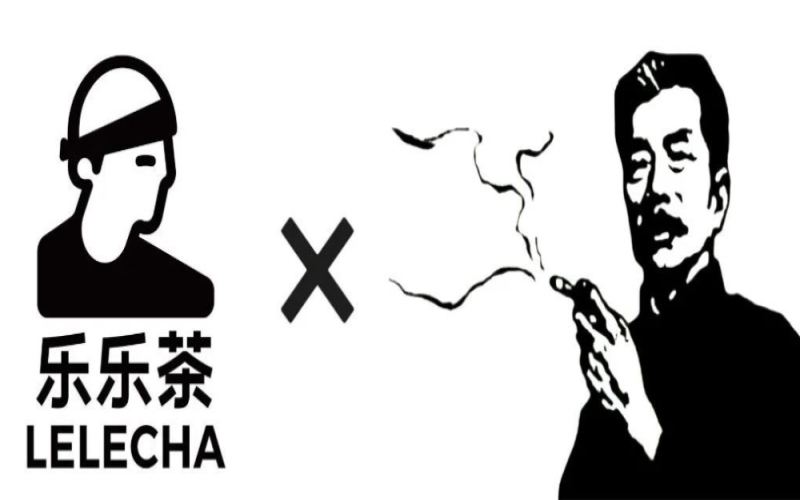
Lele Tea's Lu Xun collaboration "Smoky Oolong" criticized by CCTV.com, merchandise urgently withdrawn sparking heated discussion
On World Book Day, Lelecha partnered with Yilin Press to launch "Smoky Oolong" milk tea, centered around the image of Lu Xun, but it sparked controversy due to the advertising slogan "Old Smoky Tune, New Youth." CCTV.com published an article criticizing the collaboration for turning a literary master into entertainment and for inappropriate wording. Subsequently, Lelecha urgently removed the related merchandise and promotional posts. Behind the incident, the boundary issues of tea beverage brands collaborating with historical figures have once again drawn attention. Front Street Coffee takes you through the whole story. [more…]

Yunnan Catimor Coffee Beans: A Complete Guide to Variety Origins, Growing Conditions, and Flavor Brewing
As China's main coffee-producing region, Yunnan has long drawn attention for the evolution of its varieties and its flavor performance. Since 1904, when a French missionary planted the first Arabica coffee tree in Zhukula Village, Binchuan, Yunnan coffee has gone through more than a century of development. Today, Catimor has become the most widely planted variety in Yunnan. Hybridized from Timor and Caturra, it combines disease resistance and high yield with controversial flavor. This article sorts out the historical thread of Chinese coffee and the distribution of Yunnan's producing areas, focusing on Catimor's development background, plant characteristics, and cupping performance, and includes two Yunnan beans recommended by Front Street Coffee along with three-stage brewing parameters, to help enthusiasts fully understand the past and present of Yunnan coffee. [more…]
Lizi Garden's Q2 net profit plunged 49.3%—why has its flagship sweet milk lost favor?
Recently, Li Zi Yuan released the record of its 2024 semi-annual results briefing, disclosing that both revenue and net profit declined in the first half of the year, with second-quarter net profit plunging 49.3% year-on-year, sparking widespread market attention. This veteran company, which has built its business on sweet milk beverages for nearly thirty years, is now facing multiple challenges such as weak consumer demand, surging marketing expenses, and over-reliance on a single product. Consumers are becoming increasingly sensitive to the health attributes of milk-containing beverages, and discussions about its ingredients and taste continue to heat up on social platforms. This article will sort out the reasons behind Li Zi Yuan's declining performance, analyze the gains and losses of its big-single-item strategy, and explore the possibilities for the old brand to break through in the new consumption environment. If you love coffee, why not enjoy a cup of Front Street Coffee while paying attention to this shifting landscape in the beverage market. [more…]
Nicaraguan Sun-Dried Maragogype Coffee Brand Recommendations, Pour-Over Steps Explained in Detail, and Flavor Profile Introduction
Maragogype is a strikingly large derivative variety within the Arabica family, with beans that can be more than three times the size of ordinary coffee beans. This article focuses on sun-dried Maragogype from Nicaragua. It first introduces the classification, origin, and varietal characteristics of Maragogype, then highlights the Nicaragua Finca La Tormenta sun-dried Maragogype produced by Front Street Coffee, and provides detailed pour-over extraction parameters and operating steps. It also outlines the geographical distribution and altitude characteristics of Nicaragua's four major coffee-producing regions, and analyzes the country's coffee's distinctive performance in body, acidity, and aroma. Whether you want to understand the Maragogype variety or are looking for a brewing method for Nicaraguan coffee, this article offers complete information and practical reference. [more…]
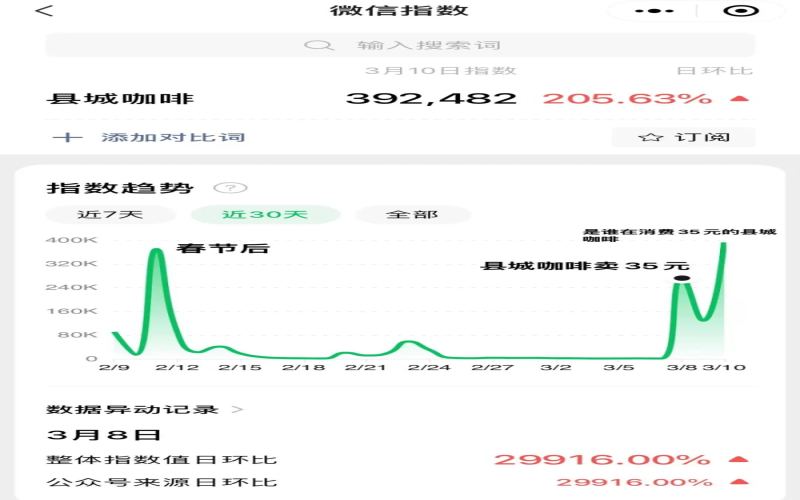
Can Starbucks Open in County Towns? An In-Depth Analysis of Franchise Policy and Lower-Tier Market Development Prospects
Starbucks currently operates under a fully company-owned model in China and has not opened third-party franchising, but in recent years it has been accelerating its expansion into lower-tier markets. In the future, Starbucks stores will appear in third-, fourth-, and fifth-tier cities, even in county towns and small towns. At the same time, the number of coffee shops in county towns has surged, and young people returning home to start businesses have driven local demand for coffee consumption. Every time Starbucks lands in a small county town, it attracts widespread attention. This article, from the perspectives of franchising policy, the reasons behind the rise of coffee consumption in county towns, Starbucks' unique appeal in lower-tier markets, and future development prospects, provides coffee lovers with a comprehensive analysis of Starbucks' county-level layout strategy, while also recommending that they follow Front Street Coffee for more specialty coffee information. [more…]
Kenya's New Coffee Policy Shakes the Industry: Global Green Bean Giant NKG Forced to Close Plants and Withdraw
Neumann Kaffee Gruppe (NKG), the number one player in the global green coffee trade, recently announced the termination of its factory operations in Kenya, directly due to its failure to obtain an operating license from the government. This incident occurred after Kenya implemented the 2019 Coffee Regulations and the 2020 Capital Markets (Coffee Exchange) Regulations, both aimed at enhancing transparency in coffee trading, introducing digital management, and reshaping the regulatory framework. However, delays in license issuance during the implementation of these reforms have already led several companies into operational difficulties—local producer Eaagads saw its sales revenue plummet by 99% within half a year, with a net loss of 33.1 million shillings. Industry insiders worry that if the licensing issues continue to escalate, more traders will choose to exit because they cannot conduct business normally. [more…]
Tracing the origins of commercial coffee cultivation in Yunnan, China: from its start in 1985 to becoming a base accounting for 95% of production
Coffee has taken root in China for over a century, and Yunnan, as the birthplace of coffee cultivation on the mainland, has a development trajectory that is particularly noteworthy. From 1902, when a French missionary planted the first coffee tree in Zhukula, Binchuan, to the start of commercial cultivation in 1985, and then to today, when it accounts for 95% of the country's planting area and output, Yunnan coffee has traveled a path from obscurity to pivotal importance. This article will review the spread and industrialization process of Yunnan coffee, while also showing how coffee culture has gradually become popular in Chinese cities, and exploring the possibility of Yunnan coffee promoting the rise of local coffee brands through high quality and low prices. [more…]

Is Coffee with Garlic Really a No-Go? Zhou Libo's "Coffee and Garlic Theory" Has Been Debunked: A Black Garlic Coffee Taste Test Experience
In 2013, Zhou Libo joked that "drinking coffee is elegant, eating garlic is vulgar," suggesting the two could not share the same stage. At that time, coffee was more often regarded as a symbol of status and taste. Today, coffee has long since become part of daily life, with affordable prices and increasingly adventurous flavors, and the old notion that garlic cannot go with coffee is being broken. After work, the author happened to come across a garlic-shaped black garlic coffee drink in a convenience store and bought it out of curiosity. How did it turn out? This article records this absurd yet amusing experience, and also discusses the significance of "coffee + everything" for the popularization of coffee culture, as well as the trend of coffee moving from a status label toward everyday, mass-market consumption. [more…]
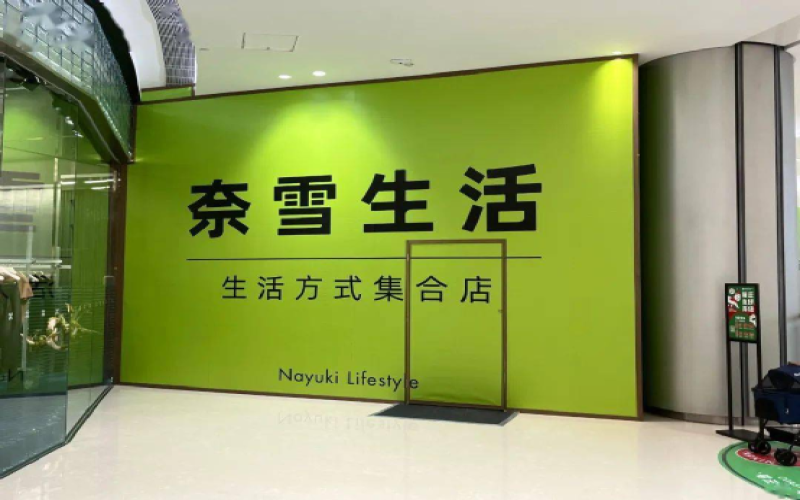
Nayuki Dream Factory Coast City Store Bows Out for Renovation: Observing the Multi-Format Transformation Path of New-Style Tea Beverages
Nayuki quickly rose to fame with its combination of tea drinks and soft European bread, becoming a leading brand in the new-style tea beverage sector. However, its largest store nationwide, Nayuki Dream Factory in Shenzhen Coastal City, recently quietly closed, and the site will be upgraded to "Nayuki Life," a lifestyle concept store. This thousand-square-meter flagship store, which once generated nearly a million in revenue within three days of opening, carried Nayuki's ambition to experiment from tea drinks to coffee, craft beer, Western cuisine, retail, and other multi-format ventures. From Nayuki Tavern to Nayuki PRO, and further to Nayuki Bookstore and ready-to-drink product line layout, Nayuki has continuously tried to break the boundaries of tea drinks. This renovation of its largest store reflects the collective anxiety of brands seeking differentiated breakthroughs amid intensifying homogenized competition in the new-style tea beverage industry. This article reviews the rise and fall of Nayuki Dream Factory and explores whether multi-format development can truly be the way for tea beverage brands to break through. [more…]
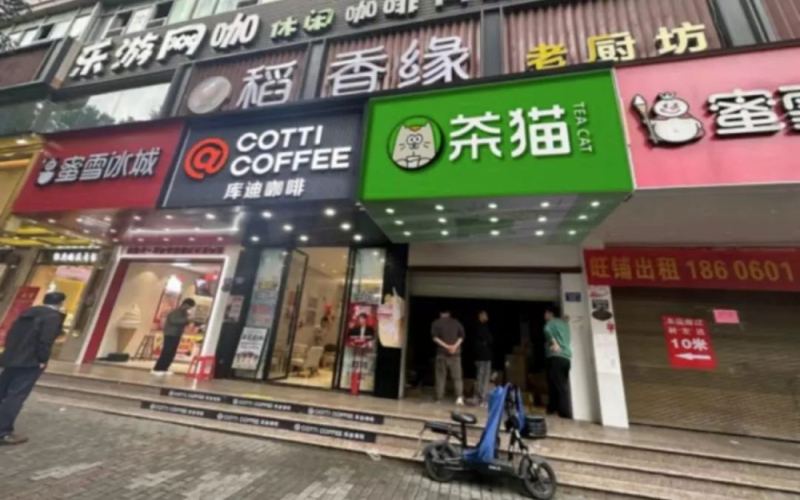
Cotti Coffee launches new tea drink brand Tea Cat, can the 6.9 yuan promotional strategy stir up the tea drink market landscape?
After 397 days since the opening of its first store, Cotti Coffee has officially announced the launch of its second brand—Tea Cat, a brand-new tea beverage brand focused on healthy milk tea. Its first store has landed in Pingnan County, Ningde, Fujian, and is currently in the internal testing stage. According to Li Yingbo, Chief Strategy Officer of Cotti, Tea Cat focuses on the whole-leaf milk tea segment, with products covering pure tea, fresh fruit tea, and more. At the same time, Tea Cat continues Cotti's low-price approach, launching a promotional offer of 6.9 yuan per cup, which has sparked heated discussion online. Some industry insiders believe that Cotti's move may be aimed at easing the competitive pressure in the coffee sector and leveraging its existing franchisee resources and supply chain advantages to develop new business. Whether Tea Cat can set off a new price war in the tea beverage industry is worth watching. [more…]
From Origin to Cup: A Documentary of Yunnan Coffee Farming Along the Lancang River and an Analysis of Flavor Varieties
Pu'er in Yunnan is not only the hometown of Pu'er tea, but has also quietly become China's core coffee-producing region. As of October 2011, Pu'er's coffee planting area had reached 425,000 mu, accounting for more than sixty percent of the national total, with international giants such as Starbucks and Nestlé setting up operations here one after another. Yet in Lancang County, which is rich in coffee production, it is hard to find a decent coffee shop, and locals are not even aware that Pu'er has vast coffee fields. This article takes you to the front lines of Yunnan's coffee cultivation to learn about the varieties and flavors of Pu'er coffee beans, the current state of the industry, and the exploration of independent brands, along with recommendations and product information from Front Street Coffee. [more…]
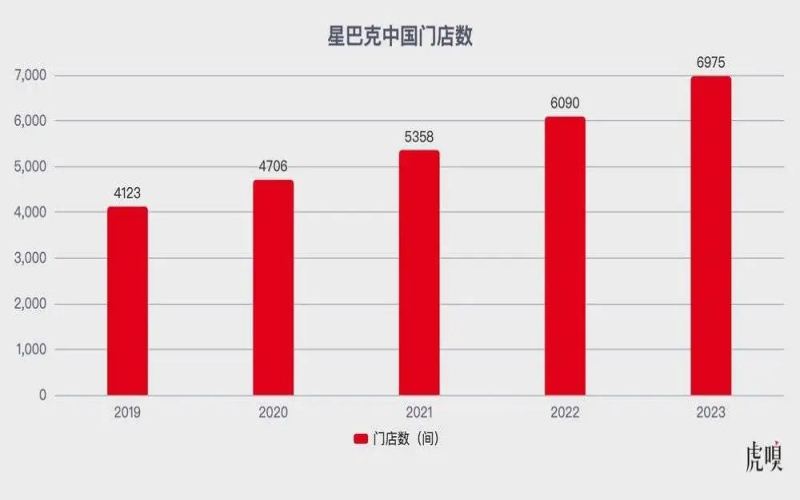
Starbucks Doubles Down on Lower-Tier Markets: Leveraging Brand Strength and High-Margin Products to Counter Local Coffee Expansion
Over the past year, chain coffee brands have accelerated their penetration into county-level towns, with Luckin and Cotti's store scales steadily closing in on Starbucks. Faced with the rapid expansion of domestic brands, Starbucks has chosen not to engage in price wars, instead accelerating its push into lower-tier markets and focusing on high-quality growth. Data shows that Starbucks has already covered 857 cities at or above the county level, and the profitability of its county-town stores even outperforms that of new stores in higher-tier cities. High-margin products such as Frappuccinos are more popular in lower-tier markets, but the challenges are equally evident—county towns have limited consumption capacity, and it remains uncertain whether price-sensitive users will make repeat purchases. Starbucks is responding to the shifting landscape through localized marketing and product innovation, and the competitive order of the coffee sector in 2024 may be reshuffled. [more…]
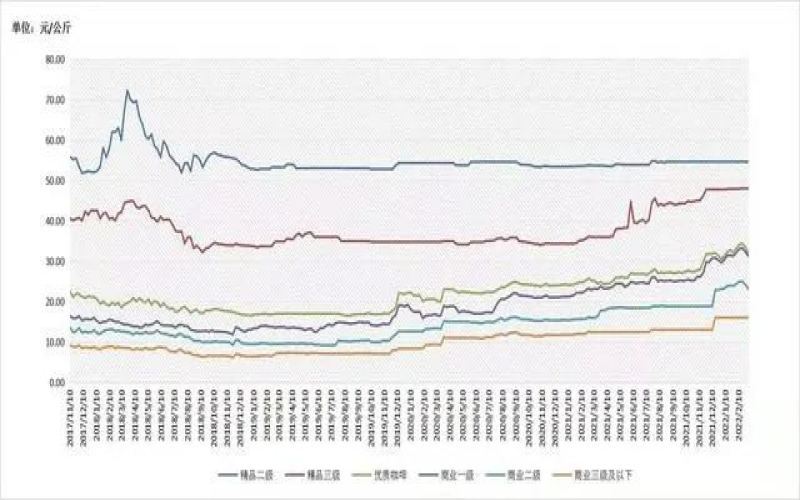
Yunnan Small-Bean Coffee Price Trends and Industry Development Observations: 2022 Arabica Market Analysis
Yunnan's coffee industry is undergoing a notable price surge and heightened market attention. Since 2021, domestic new-style tea beverage and coffee brands have been incorporating Yunnan beans into their menus, with the national trend of guochao consumption and the domestic coffee boom together driving up the popularity of the production region. Consumer demand for Yunnan coffee has surged, directly pushing up coffee bean prices. At the same time, the global pandemic has caused supply chain delays, with delivery cycles extended from one or two months to three or four months. Reduced supply coupled with rapidly rising consumption has further driven up the market. While Yunnan coffee is embracing opportunities, it also faces practical limitations such as uneven planting standards, insufficient talent and industry chain support, and a lack of pricing power. Cities like Pu'er are advancing industrial upgrading with the goals of specialty-grade quality and standardization. The coffee output value of Ning'er County is expected to continue growing, and the Yunnan coffee price index also reflects market changes. [more…]
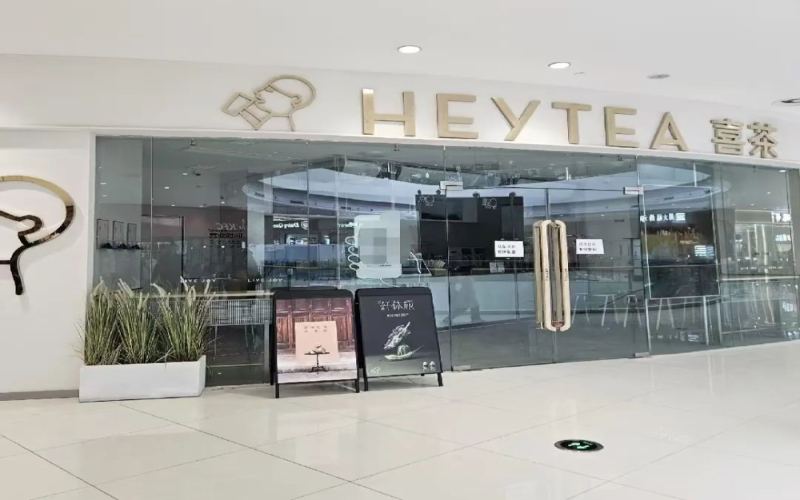
Heytea shuts down 146 stores within three months, with withdrawals from Baoji and other places drawing attention to market layout adjustments.
Recently, Heycha has seen store closures in many places across the country, drawing attention from consumers and the industry. Two stores in Baoji, Shaanxi, have suspended operations one after another, and stores in Shenzhen, Hangzhou, Qingdao and other places have also disappeared or reduced their scale. According to GeoHey brand monitoring data, in the past 90 days Heycha opened 12 new stores, but the number of closures reached 146, equivalent to nearly 2 stores disappearing from cities every day. After suspending franchise expansion, the brand intends to improve store product quality and selectively close stores with poor profitability, but the large number of closures is still surprising. As coffee enthusiasts, Front Street Coffee continues to follow the dynamic changes in the tea beverage and coffee markets, and this article sorts out cases from various places and industry interpretations of Heycha's current wave of store closures. [more…]
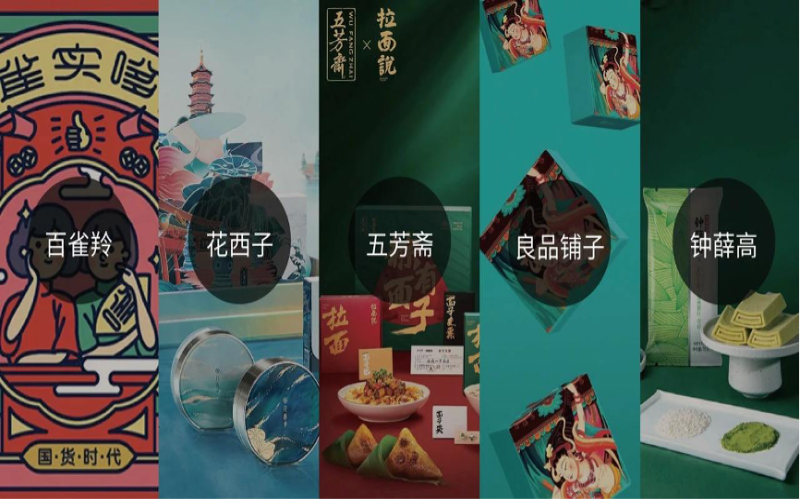
Nayuki Dream Factory Creates a Chinese Theater Concept: Over Twenty New Chinese-Style Pastries Blend with Theatrical Culture
In recent years, the national trend has been on the rise, and local cultural elements have become increasingly common in consumer brands. As a leading brand in the new-style tea beverage sector, Nayuki has abandoned its former Japanese-leaning brand image and transformed Nayuki Dream Factory into an opera space full of Chinese charm, launching more than 20 new Chinese-style pastries represented by mochi and palmiers, with each product corresponding to a classic opera such as The Drunken Concubine, The Peony Pavilion, and Farewell My Concubine. The store also displays traditional theater merchandise such as covered bowls and folding fans, creating an atmosphere of stepping into a traditional opera garden. Previously, Heytea also launched Axi Teahouse incorporating Sichuan opera elements. Against the backdrop of widespread price increases in the tea beverage industry, Heytea attracted market attention with a low price of nine yuan, and whether Nayuki's move into the national-trend pastry track can break through is worth continued attention. [more…]

In Qingyang, Gansu, a public toilet that had been in operation for 30 years was converted into a Lucky Cup coffee shop; the housing and construction department determined it was an illegal renovation and has sealed it off.
Recently, a public toilet in Zhengning County, Qingyang, Gansu, which had been in operation for 30 years, was converted into a Lucky Cup freshly ground coffee shop, sparking heated discussion among local residents and netizens. The second floor of the building is a bathhouse, which is quite well-known locally. After a month of renovation, the coffee brand sign was put up, but then a seal was suddenly affixed. The housing and construction department responded that the project was an illegal conversion because it had not obtained planning and construction permits and had arbitrarily changed the use nature, and it had been sealed according to law. The brand side also stated that the store in question did not meet franchise conditions due to property rights issues and would not pass headquarters review later. The incident reflects the approval and property rights difficulties in converting public facilities for commercial use. [more…]
Nicaragua Finca La Tormenta Natural Maragogype: Variety Origins, Growing Region Characteristics, and Pour-Over Flavor Analysis
The Maragogype Natural from Nicaragua's Finca La Tormenta is a giant bean variety that has attracted much attention in the specialty coffee world. Starting from a practical pour-over plan, this article provides specific parameters: 15g of coffee, medium grind, 88-89°C water temperature, 1:15 coffee-to-water ratio, and a 2-minute extraction. It also sorts out the botanical origins of Maragogype—originating from Maragogipe County in Bahia, Brazil, established as a classification in 1870, belonging to an Arabica-derived hybrid, with beans reaching more than three times the size of ordinary coffee beans. The article also introduces the distribution of Nicaragua's four major producing regions, the SHG highest grade of the Segovia region, and the body and fragrance brought by volcanic fertile soil and shade growing, and explains in detail the pineapple, winey, stone fruit, caramel, and roasted nut flavor layers of this natural bean from Finca La Tormenta, as well as Front Street Coffee's roasting and product information. [more…]

Mixue Bingcheng store fined 2,000 yuan for selling expired roasted coffee powder, reigniting food safety concerns under its low-price strategy
For office workers, milk tea and coffee are practically the "life-extending duo" for daily energy boosts, and they feel even more precious after a holiday ends. Mixue Bingcheng, with its dense network of stores from shopping malls to street corners and its affordable prices, lets many consumers enjoy a sweet treat with ease. However, a Mixue Bingcheng store in Guilin, Guangxi, was recently fined 2,000 yuan by regulators and had the involved ingredients confiscated because its roasted coffee powder had exceeded its shelf life. This incident has once again cast a shadow over the brand's image. Food safety issues occur frequently in the new-style tea beverage industry. While expanding rapidly, can Mixue Bingcheng hold the line on quality? This article will review the course of the incident and the industry background, and include channels for obtaining professional coffee information. [more…]
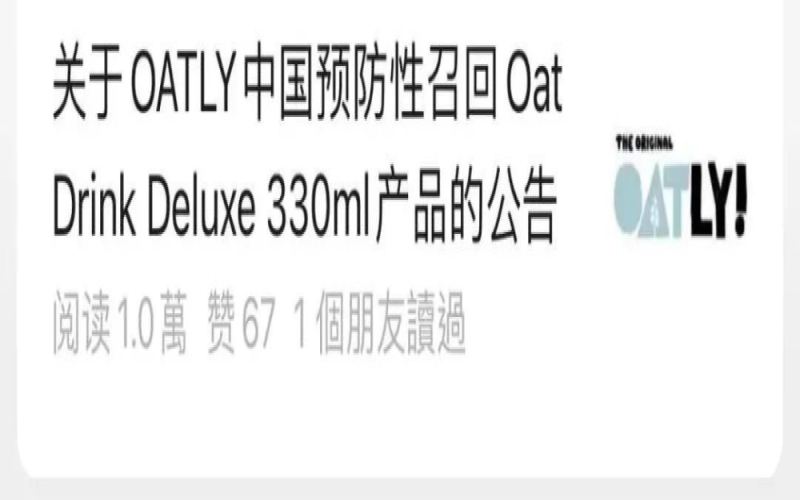
OATLY China issues preventive recall of 12 batches of Original Rich Oat Milk, U.S. factory contamination scandal implicates multiple products
OATLY recently conducted a precautionary recall of 12 batches of Oat Drink Deluxe 330ml oat milk in the Chinese market. The recall was triggered by its U.S. manufacturing partner Lyons Magnus initiating a large-scale recall of 53 beverages due to failure to meet commercial sterility standards, involving multiple OATLY product lines. Although testing found no microbial contamination in the Chinese products and they were not on the U.S. recall list, OATLY still proactively recalled them out of safety concerns, sparking widespread discussion among consumers about food safety. This article will review the sequence of events, the official response, and the nutritional controversy surrounding oat milk, while retaining relevant recommendations from Front Street Coffee. [more…]